Deformation Mechanisms of Structural Alloys
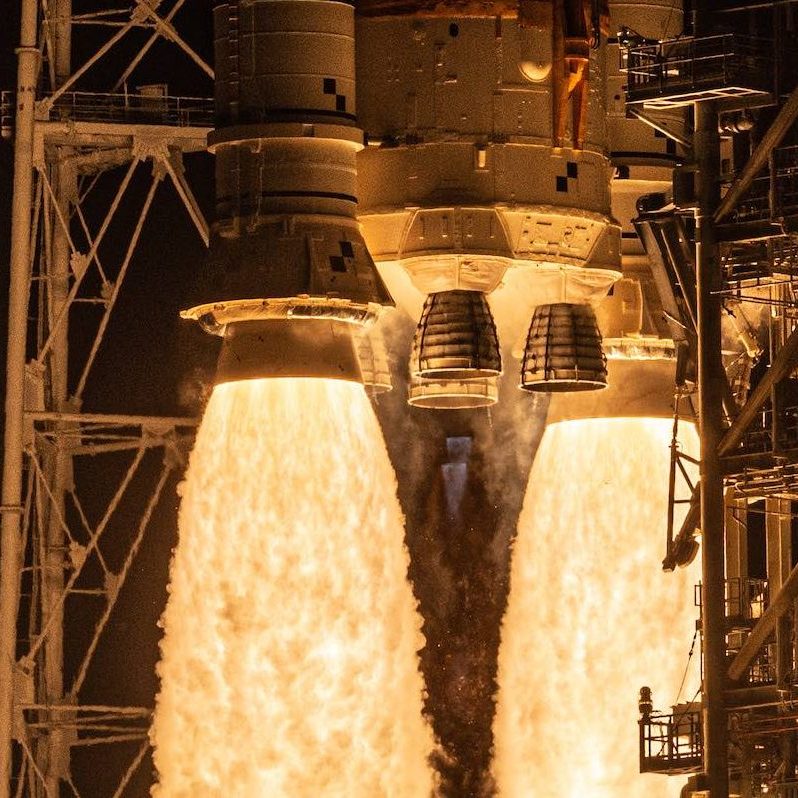
Structural materials in extreme environments must endure intense mechanical and thermal stresses over extended periods. At STARS Lab, we design novel materials/alloys and investigate how they respond to high temperatures, cyclic loading, and extreme strain rates to improve their long-term performance and reliability. Our research focuses on understanding the fundamental mechanisms of plasticity, creep, fatigue, and fracture—key factors that determine material lifespan in aerospace, energy, and defense applications. By analyzing how materials deform under these conditions, we develop strategies to design new materials that can enhance their structural integrity, optimize performance, and ensure they can withstand the rigorous demands of next-generation technologies.
Particle Impact Bonding and Mechanics of Advanced Materials
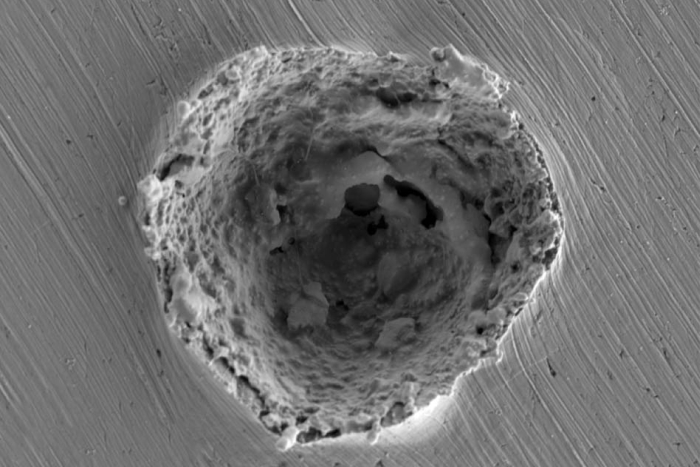
At STARS Lab, we investigate how high-speed particles interact with surfaces to advance additive manufacturing and surface engineering technologies. Using the Laser-Induced Particle Impact Test (LIPIT) system, we precisely measure how individual particles bond, deform, or rebound upon impact at extreme velocities. This allows us to explore fundamental adhesion mechanisms, dynamic yield strength, and high-strain-rate deformation behavior with high spatial and temporal resolution. By systematically studying impact behavior across various materials and conditions, we optimize deposition techniques, enhance bonding efficiency, and improve the performance of structural materials in extreme environments.
In-Space Additive Manufacturing and Repair
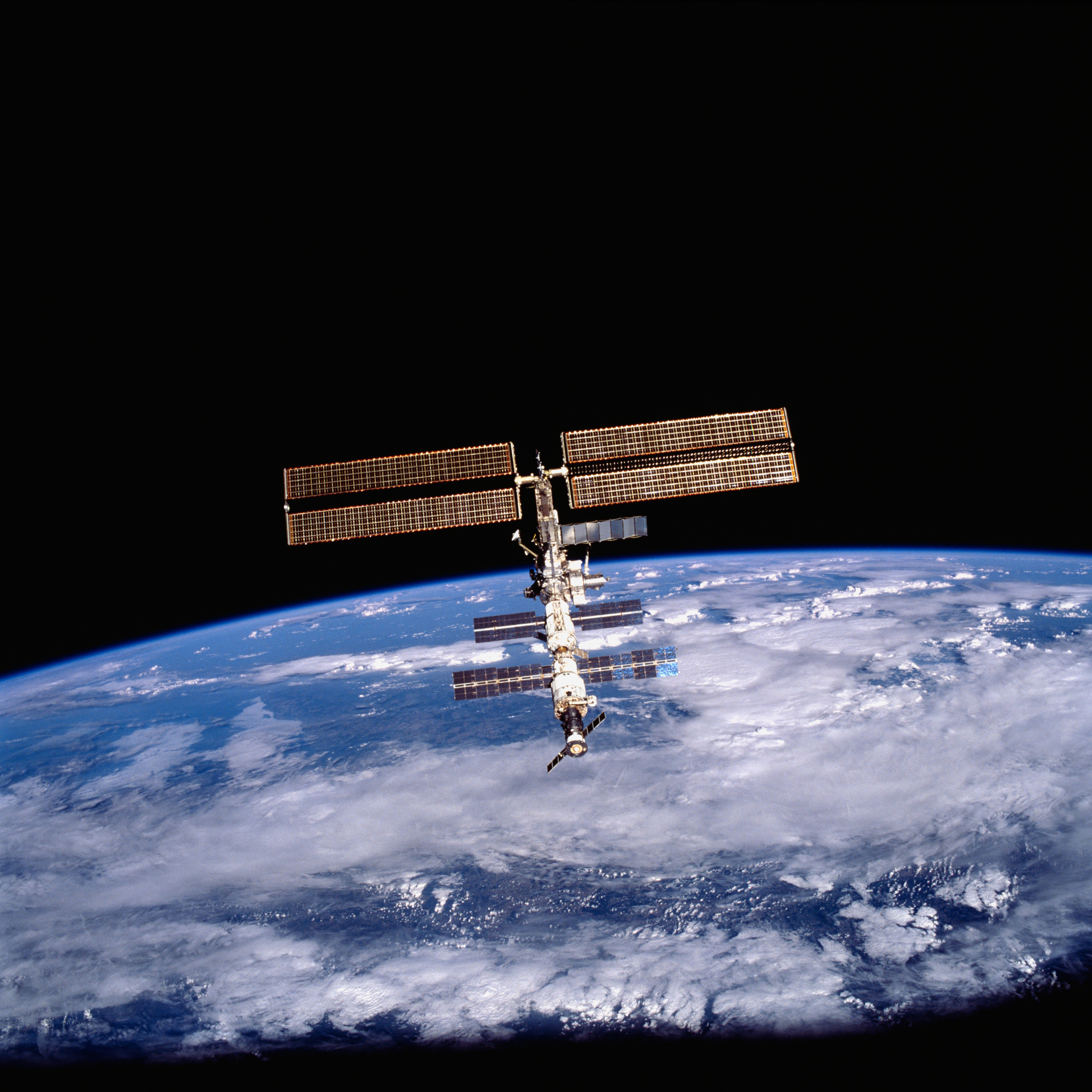
The future of space exploration relies on the ability to manufacture and repair critical components directly in orbit or on planetary surfaces. At STARS Lab, we explore additive manufacturing technologies designed to function in microgravity. Our research focuses on adapting metal additive manufacturing for in-space use, enabling astronauts and robotic systems to fabricate and repair structural components without relying on Earth-based resupply missions. By investigating how different gravity conditions influence material processing and microstructure evolution, we aim to develop robust manufacturing solutions that support long-duration space missions, and Moon to Mars (M2M) missions.
Lunar and Martian Regolith – Testing, Processing, and ISRU Manufacturing
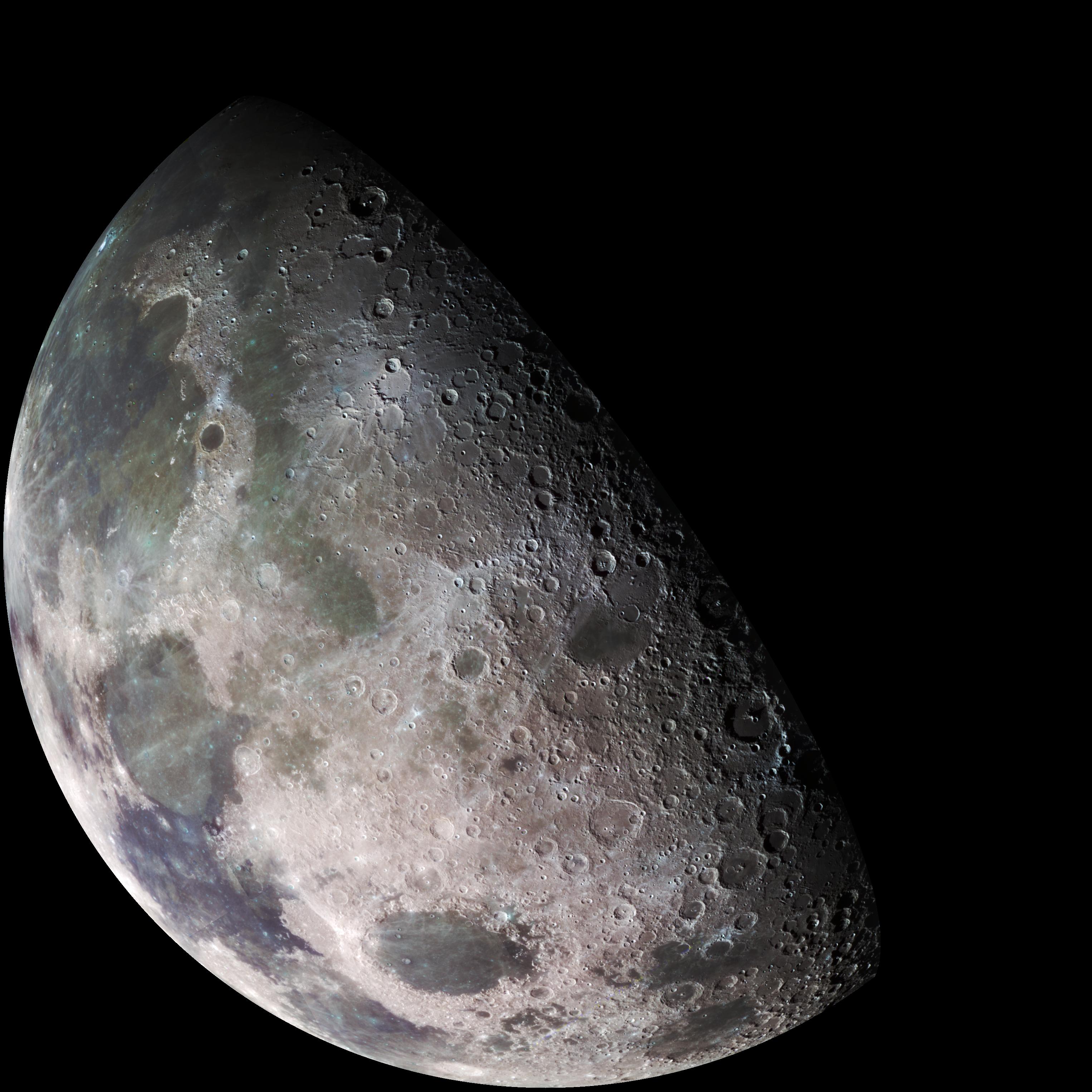
At STARS Lab, we investigate the fundamental mechanical behavior of lunar and Martian regolith to enable future in-situ resource utilization (ISRU) technologies. Understanding how regolith responds to extreme environments—such as radiation, temperature fluctuations, and high strain rates—is essential for developing sustainable ISRU construction and manufacturing techniques. We also focus on protecting structures during Plume Surface Interactions (PSI). Our research focuses on probing the microstructure evolution of regolith during processing and additive manufacturing to optimize its use in building planetary infrastructure, such as habitats, landing pads, and protective shielding. By characterizing regolith’s mechanical properties under simulated lunar and Martian conditions, we contribute to the development of scalable ISRU solutions that will support human exploration beyond Earth.
Source Credit: The images depicted on this page are taken with credit from NASA Image archive. They can be accessed here: https://images.nasa.gov/
 Home
Home 